

In today’s competitive market, efficiency is key, especially for Micro, Small, and Medium Enterprises (MSMEs). While managing production, sales, and accounts, many MSME owners often find that logistics is the biggest hurdle. High costs, long transit times, and lack of control over shipments can severely impact growth.
This is where Full Truckload (FTL) logistics steps in as a strategic advantage. It’s more than just moving goods; it’s about gaining control, reducing risk, and ensuring customer satisfaction.
What is FTL Shipping?
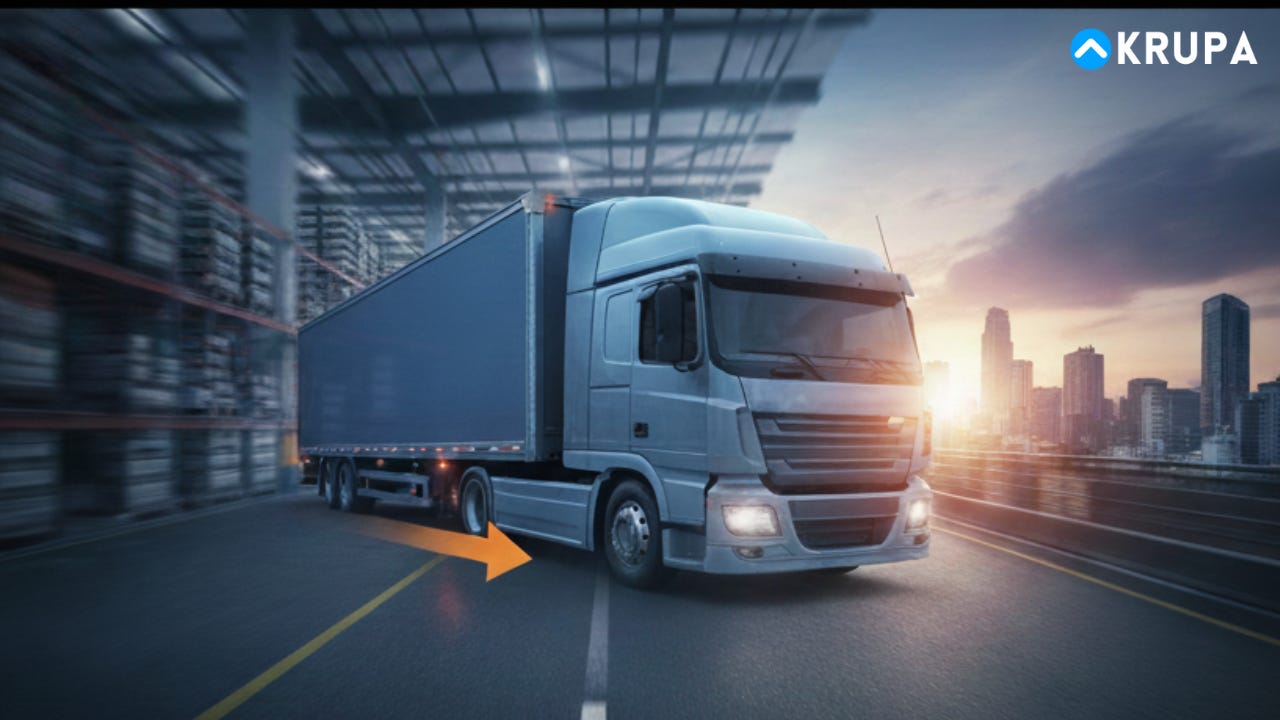
Full Truckload (FTL) is a transportation method where an entire truck is dedicated to a single shipment from one sender. This means the truck travels directly from the pickup point to the destination without any intermediate stops for other deliveries.
Key Difference from LTL (Less Than Truckload):
FTL: Dedicated truck, direct route, faster transit. Ideal for large volumes, high-priority, or fragile goods.
LTL: Shipment shares truck space with goods from other businesses, leading to multiple stops and longer transit times. Better for very small, non-time-sensitive loads.
For MSMEs dealing with substantial orders or time-sensitive projects, FTL is often the most efficient and secure choice.
5 Core Elements of Effective FTL Logistics Management
For MSMEs to fully benefit from FTL, simply booking a truck isn’t enough. Effective FTL logistics management is critical for streamlining the process and achieving cost savings.
1. Strategic Shipment Planning
Before booking, assess your shipment needs: volume, weight, and dimensions. This confirms FTL is the most efficient choice over LTL. Crucially, select the appropriate vehicle type (e.g., dry van, refrigerated truck) based on the cargo’s requirements (fragile, temperature-sensitive).
2. Smart Carrier Selection
Do not choose a carrier based solely on the lowest price. Evaluate potential partners based on:
Reliability: Their track record for on-time deliveries.
Service History: Experience in handling similar cargo.
Reputation: Check industry referrals and customer reviews. Establish clear communication for ongoing coordination during transit.
3. Route Planning and Optimisation
Poor routing leads to higher costs and delays. Leverage route optimisation tools to account for factors like traffic, road conditions, and tolls. This allows you to identify the quickest and most cost-effective routes, helping minimise fuel consumption and transit time.
4. Efficient Loading and Unloading
Minimize delays and prevent damage by standardizing processes. Ensure cargo is properly secured to prevent shifting. Utilize equipment like forklifts and loading docks. Implement inventory checks at both the loading and unloading points to reduce the risk of errors or lost goods.
5. Real-Time Tracking and Monitoring
Modern technology is non-negotiable. Use GPS and RFID tracking systems to monitor your goods from the moment they leave the warehouse to delivery. Real-time visibility allows for proactive issue resolution—if a delay occurs, you can immediately adjust operations or notify your customer.
Overcoming FTL Challenges for MSMEs
While FTL offers significant benefits, MSMEs often face specific challenges. Understanding these and knowing the solutions is vital for growth:
1. High Costs for Small Loads
Impact on MSME: Small shipments may not justify the cost of an entire truck, leading to high unit costs and reduced profitability.
Best Practice Solution: MSMEs should consolidate orders to ensure they meet the minimum load requirement for FTL. Alternatively, consider using Partial Truckload (PTL) services as a cost-effective mid-way option between FTL and LTL.
Here is the information from the table presented in normal text lines, detailing the challenges, impacts, and solutions for MSMEs regarding FTL logistics:
🚧 FTL Logistics Challenges for MSMEs and Solutions
1. High Costs for Small Loads
Impact on MSME: Small shipments may not justify the cost of an entire truck, leading to high unit costs and reduced profitability.
Best Practice Solution: MSMEs should consolidate orders to ensure they meet the minimum load requirement for FTL. Alternatively, consider using Partial Truckload (PTL) services as a cost-effective mid-way option between FTL and LTL.
2. Infrastructure Limitations
Impact on MSME: Businesses may lack dedicated warehouse space or specialized handling facilities necessary to manage large FTL shipments efficiently.
Best Practice Solution: Collaborate with Third-Party Logistics (3PL) providers or strategically utilize shared logistics facilities to address space and handling limitations without major capital investment.
3 Regulatory & Compliance Issues
Impact on MSME: Varying transportation regulations, taxes, and permit requirements across different regions can cause significant delays or financial penalties.
Best Practice Solution: Partner with experienced logistics providers who are knowledgeable about local regulations and compliance requirements to ensure smooth and penalty-free transit.
4. Lack of Scheduling Flexibility
Impact on MSME: Fixed delivery or pickup schedules from FTL carriers may not align well with the company’s internal operational needs, causing inefficiencies.
Best Practice Solution: Negotiate flexible pickup and delivery schedules with your FTL provider right from the contract stage to ensure better alignment with your business operations
For MSMEs aiming to scale efficiently, adopting a managed FTL strategy is crucial. By embracing technology, focusing on long-term carrier relationships, and meticulously optimizing every step from planning to tracking, MSMEs can transform their logistics from a cost centre into a key enabler of growth, ensuring faster deliveries and happier customers.